Credit cards have been around for over 70 years and there are about 18 billion cards world wide and just under a billion cards issued in the United States.
On average each adult in the US has four credit cards and over 80% of all adults in America have at least one credit card.
This payment method has been the most pervasive payment method around the world until it’s been challenged by other modern ways of payment especially with the advent of internet and mobile phones.
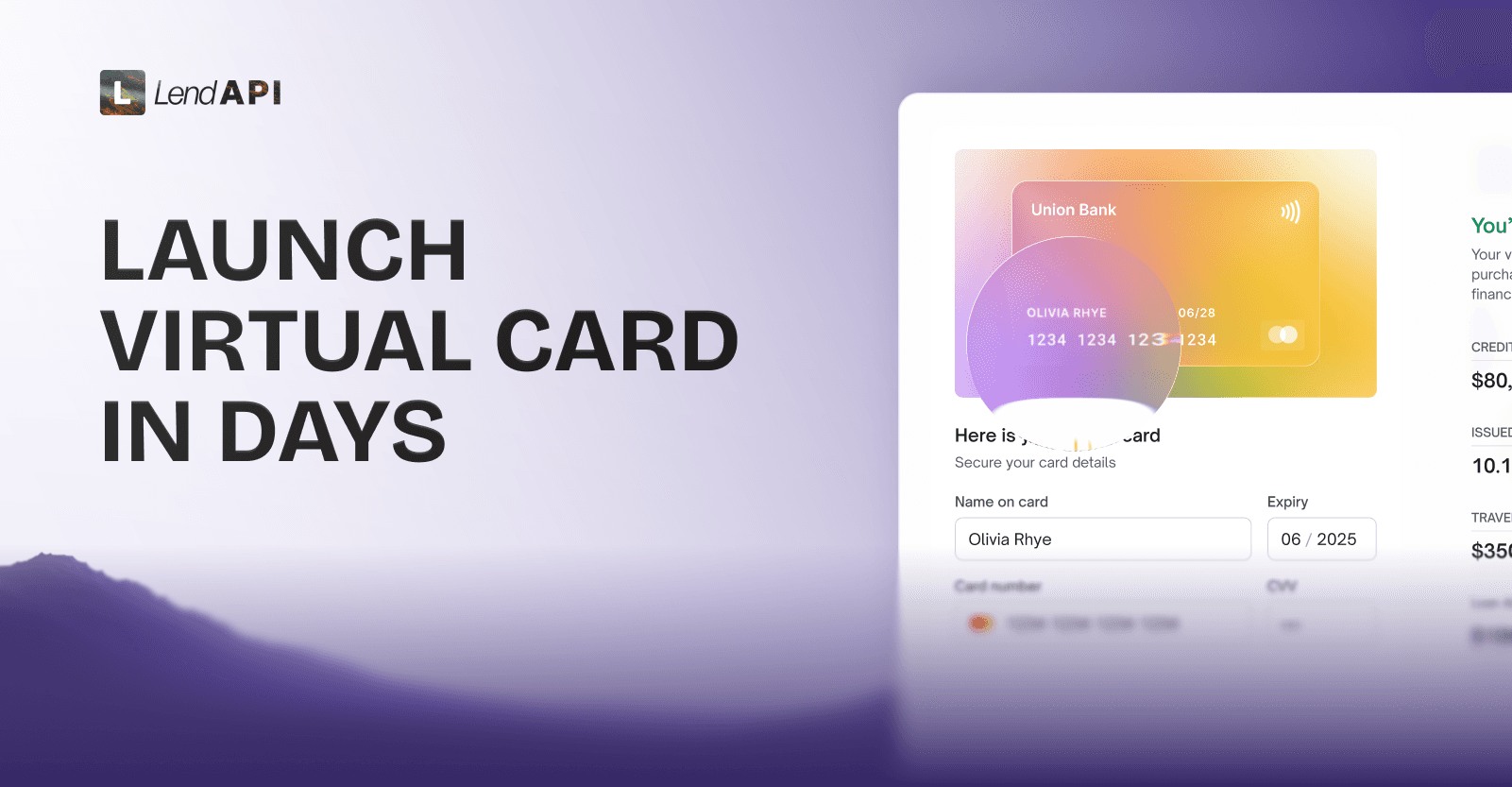
What is a credit card?
A credit card is a piece of plastic with a size of 3.370 inches by 2.125 inches. It has a 0.03 inch thickness. It can be easily fitted into a full-size wallet. It’s easy to carry around and hardly has any weight to it.
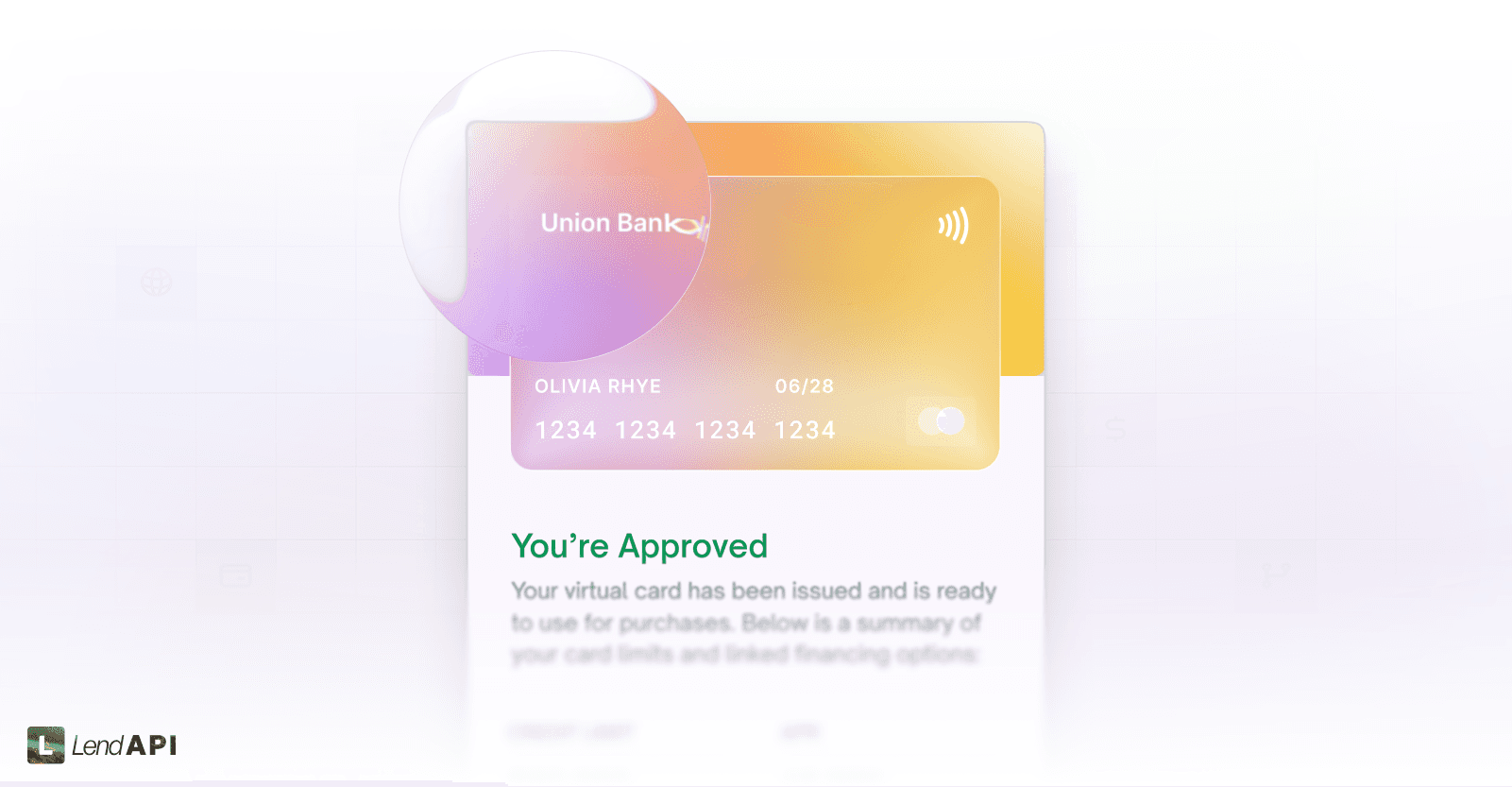
This piece of plastic is your representation of creditworthiness. It has your name, a credit card number. It has an expiration date, security code and sometimes it carries your signature on the back of the card.
Most recently, other technologies such as a security chip or Near Field Communication chipsets embedded into the credit card.
In some other implements, there’s even a screen built into a credit card where a random card number or a random scarcity code is built into the card. When you squeeze on parts of the credit card, a new number is then displayed as a measure of security.
How does a credit card work?
From a consumer’s perspective, a credit card is a form of payment. You carry it around in your wallet or your purse. It is a convenient way to pay for things.
Almost all of the merchants in the United States accept credit cards as a form of payment. There’s usually a terminal at the checkout area of a store that you can insert, tap or in the old days using a credit card imprinter to ink the credit card number onto a carbon copy. Someone will collectively process these carbon copies with the bank, say once a day.
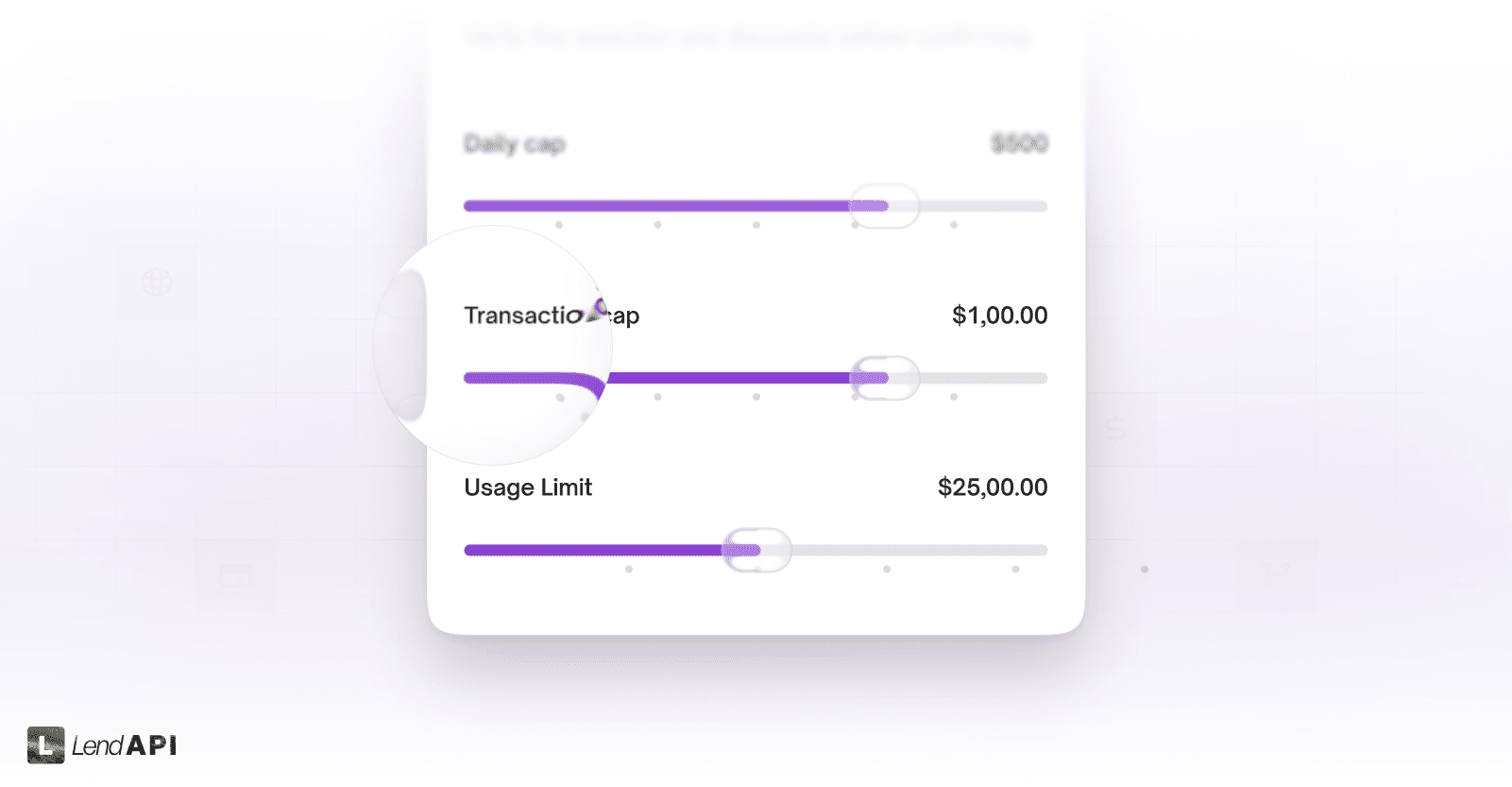
Every credit card has a credit limit issued by the issuer or the bank that granted this credit card to the end user. Sometimes these credit limits are low and sometimes and in very few instances, there are no limits as to how much you can spend on a credit card given a statement cycle. And these statement cycles are typically 30 days or a month.
We will talk more about how these credit limits are set in another section of this article.
Consumers can use their credit cards as much as they want within the credit card limits during a statement cycle until they clear or pay off the balance of the credit card to make more room to spend.
From a merchant’s perspective, a credit card is an easy way to accept payments from their customers. With a credit card transaction, the issuing bank of the credit card will work with the credit card processor to aggregate all of the monies paid to the merchant and settle with the merchant’s bank on a nightly basis.
This way, the merchant doesn’t have to deal with other more cumbersome ways of collecting payments such as cash and cheques. It alleviates some fraud such as fake money or cheques that could bounce when the merchants attempt to cash them at their bank.
There are also many back office tasks such as counting and delivering cash to their bank as well as collecting all of the checks and potentially going to various banks to cash them.
These are just some of the conveniences merchants will enjoy when they accept credit cards as a form of payment versus some of the other or older methods of payments.
From the issuing bank’s perspective, there are massive money making opportunities. These issuing banks are essentially banks that mints these credit cards for their customers. In the previous article titled Beyond the Button: Why Retailers are Reclaiming the BNPL Experience, we address the differences between compound interest and simple interest from a consumer’s perspective. But from the bank’s angle, it’s a massive profit center.
The banks will issue millions and millions of these credit cards to average consumers hoping that they will activate the card and start spending on their cards. Why? Because each time a consumer buys something from a merchant, the merchant pays the issuing bank a percentage of transaction fee for the conveniences that we talked about previously.
However, the biggest revenue generator is that the banks are hoping that consumers will not pay off their credit card balance from statement cycle to another and therefore have to pay interest over their balance. Billions of dollars of interest are collected annually from consumers that can’t afford or don’t want to pay off their credit card balances.
If an issuing bank is also an acquiring bank, they will take more fees from merchants for having their credit card terminal available at each retail branch around the country or the world.
Total interests paid by US consumers in 2024 is around $180 billion dollars on a $1.28 trillion dollar credit card debt.
The Network
Probably everyone in the world is familiar with VISA or Mastercard. VISA stands for Visa International Service Association. The word Visa comes from Dee Hock, and he renamed BankAmericard issued by Bank of America to Visa to make it shorter and universally adaptable.
Mastercard is a rival of the VISA network and now there are several major networks such as American Express, Discover. There are several smaller niche networks mostly operating in certain regions or focused on ATM networks.
What do these networks do?
These networks were created to process information from merchants or point of sale terminals and work as a money-internet communications network between the card issuing bank and acquiring bank. Essentially letting everyone involved in that transaction understand where the transaction took place, how much was the transaction, who spent the money and who accepted the money.
These networks also sometimes serve as a decision maker to prevent fraud. However most of these transaction authorizing which determines whether the credit card is accepted lies with the issuing bank since they are the ones taking the credit risk.
Why are these networks essential to the economy?
These independent money-internets wired our economy together before the advent of the internet. These companies invested billions of dollars into a network that processes billions of transactions a month with speed and accuracy that’s never been seen before.
These networks can process 2,000 to 5,000 messages per second. Each of these messages represents a single transaction. Some of the earlier blockchain networks can take 10-30 transactions per second.
However, in 2026, there are many networks that’ve been developed with VISA scaled transactions per second, but adoption of these networks is still elusive within the real work merchant community.
And just because a new network can theoretically achieve the transaction per second scale that can handle a Black Friday event, it doesn’t mean that the cost per transaction is low enough that will cause massive switching behavior of merchants, especially merchants with physical stores world wide.
However, some of the latest messaging networks developed on top of decentralized technologies have massive scale, in multiple of what VISA and Mastercard is capable of doing. We are excited to see how these networks will forever change the face of payment acceptance and bring the cost of transaction to zero.
Credit Card Approval Process
Earlier we said over 80% of American adults have at least one credit card and most of the card carrying community has on average 3 to 4 credit cards. So, how does someone get approved for a credit card and why doesn’t everyone have a credit card? We will discuss the credit card approval process and get to the bottom of these questions.
Who gets to have a credit card?
There are many regulations and laws governing credit cards and how they are given out to the public. Most recently, the Credit Card Responsibility Act attempted to prevent banks from overreaching their marketing boundaries and issuing credit cards to those potential card users that are young and haven’t had the practical life experience to use a credit card responsibly.
In essence, anyone over the age of 18 could obtain a credit card. These starter credit cards are often low in balance, say less than $500 dollars and have guardrails built into these cards such as overlimit preventions. In other words, they can’t overspend more than their limit. This also means that some credit card issuing banks allow credit card users to spend more than their limit but with a heavy over-limit fee.
These credit cards are intended to get folks to start using credit cards as a form of payment method and get them to use a credit card in lieu of cash. In some cases, these credit cards are also almost seen as a right of passage from your teenage years to adulthood.
This form of independence sometimes contributes to misuse, abuse or general misunderstanding of the responsibility that comes with credit. Some new users of these credit cards failed to make on time payments and get themselves into financial trouble that haunts them for the better part of young adulthood.
From the bank’s point of view, they are also taking a massive bet on new credit card holders. There are 20 million college students in the US at any given time. Even if half of these college students have a credit card and each credit card carries $500 worth of credit, that’s 10 million times $500, which is $5 billion dollars worth of credit and potential losses for the bank.
How does credit card underwriting work?
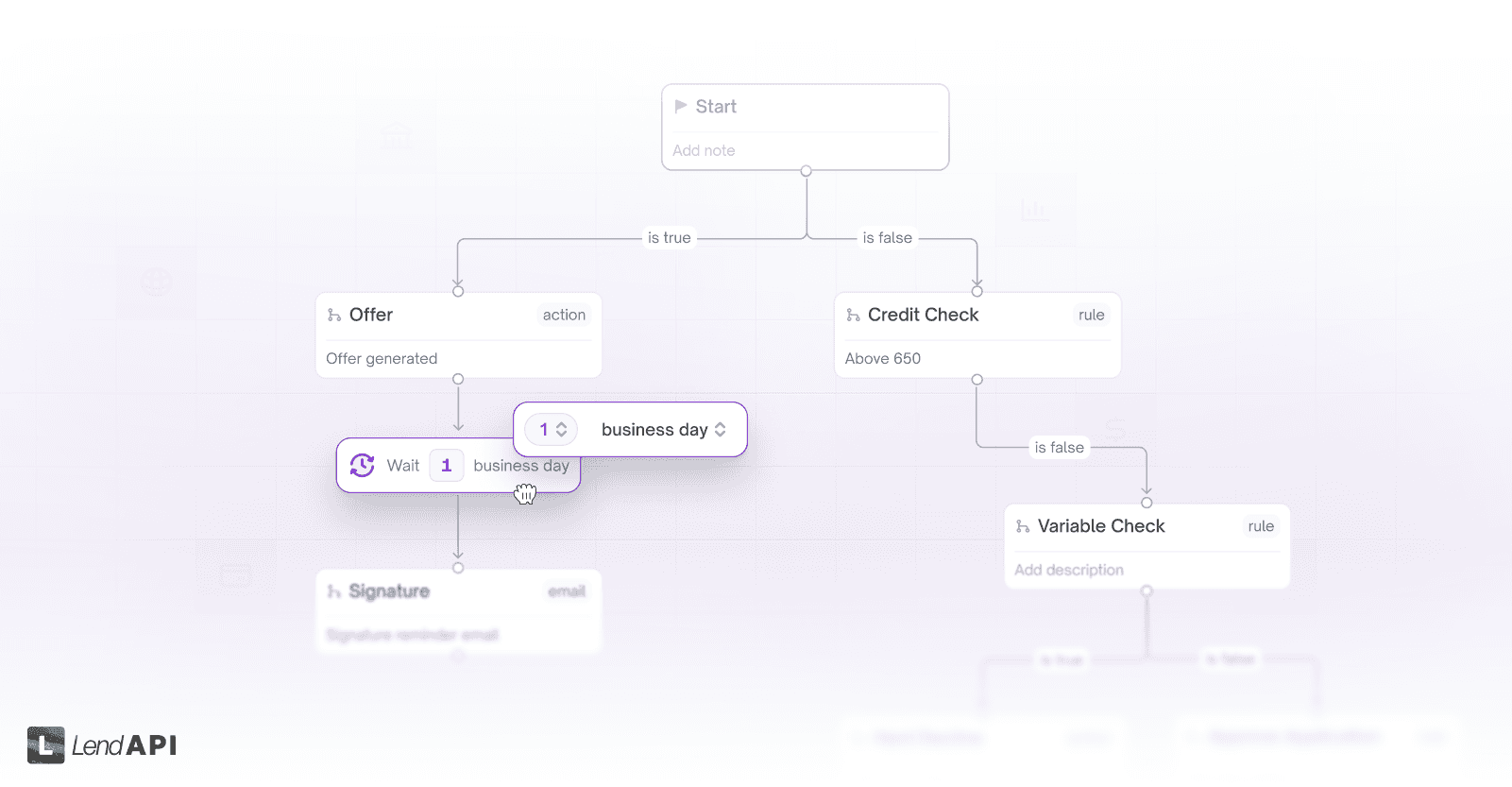
Banks have to be careful picking and choosing whom to issue credit cards to. If you are working adult with a predictable income, you are in luck. You are the primary target for credit card companies to give you a shiny new credit card to spend money on. They know that you can at least make their minimum payment and carry on with your lives.
For the younger generation of folks, they may be in school or just entering the workforce. There hasn’t been a lot of data collected on your employability or credibility. Sometimes the credit card issuing companies will still give you a low balance card.
Sometimes these low balance cards are backed by deposits that the bank holds as collateral. These cards are often called secured cards, secured by actual deposits as a backup in case you default on your card.
Sometimes these cards are co-signed by a more responsible person. Sometimes the card carrying person can ask the bank to give a companion card for the less creditworthy person to use. However these companion cards don't help in building someone’s credit because the true backer of these cards come from the original card holder.
Let’s say the credit card company decides to give you a credit card. What are some of the information they look at to determine the credit limit of the card?
Most of the time, they look at your income. Most of the time, the credit card companies will go off of your stated income. Meaning that on the credit card application, you can just tell the credit card company how much you make and depending on other factors, they may take that information at face value.
Most of the time, your bank, the bank that you have your salary deposited with, is the same bank that issues you a credit card. Therefore it is fairly easy for the bank or your bank to verify your income.
The bank will also look at your spending habits and other financial obligations. Let’s say that they know that each month you have to pay x amount of dollars for rent, car payment, student loans and other repeating obligations. Then they will take your income and calculate a debt to income ratio or free cashflow (how much do you have left at the end of the day) to determine how much more debt you can afford to carry.
These calculations give the bank an idea of how much credit they want to issue you. If you have a lot of free cash flow left at the end of the month, your credit limit might be bigger than those that are living from paycheck to paycheck.
Credit Limit Adjustments
Sometimes when your income has increased, you can request a credit limit increase. Some banks will automatically offer a credit limit increase.
On the flip side, if you are in a bind in terms of employment or income. Your bank can choose to decrease your limit or terminate the card to limit their exposure all together. During the 2008 economic downturn in the United States, many credit card companies cancelled their customers credit cards to eliminate credit loss. Some of them decreased the credit limit of their card holders to reduce the amount of credit risk the bank might carry during those difficult times.
Here comes the internet and mobile phones
For the past 30 years, internet technology has exploded. Mobile phones are the most pervasive technology known to man. Most people around the world have a mobile phone. This piece of technology is cutting across all demographics and social economic classes.
The Internet made deployment of credit card terminals easier to deploy. It gave these massive credit card networks such as VISA and Mastercard more bandwidth to deploy more sophisticated equipment. They can transmit more information with more security measures than ever before.
The internet technology is also global. These massive networks can now deploy their card acceptance network all over the world without spending massive amounts of money to lay the foundation for data transmission. The internet backbone such as mobile network and wireless network has helped the adoption of credit cards at a break neck speed.
Mobile phones changed everything
There are two fundamental ways that mobile phones have changed the way we use credit cards. First, mobile phones have more security built into them than anything we’ve seen so far. From security codes to biometrics, our phones have so much security technology built into them that is far superior to some of the technology native to a plastic credit card.
The expiration date, security code and your signature can easily be stolen and copied. However, multifaceted security authentication processes on a mobile device are almost impossible to hack.
So, it’s natural that digital wallets have been developed to store credit card information on your phone as a much safer alternative to your physical wallet. A natural and immediate extension of your mobile wallet is the ability to use that information at a credit card terminal at the same places you shop anyway.
Most of the newer credit card terminals can now accept tap-to-pay technology where you can hover your mobile device on and around a crest card terminal to process your payment versus taking the credit card out of your wallet to do the same. This is a much more secure way of payment than potentially exposing your credit card number or risking having your wallet stolen.
The last mile issue is how credit card companies are issuing credit cards in the new internet and mobile device world we live in.
Many credit card companies can now issue credit cards through the same credit underwriting process and push the newly minted credit card immediately into your mobile phone wallet. Most of the credit card issuing technology platforms have built extensions to let fintechs issue credit cards for a variety of niche markets.
Virtual Cards
Today, we can help you to build the entire card issuing infrastructure from application to decision to linking to credit card core processors to deliver virtual cards straight into people’s mobile wallets. In some places, we can work directly with the VISA and Mastercard network without an issuing bank to issue credit cards. The credit risk lies within the fintechs rather than banks in places outside of the United States to increase the speed of adoption.
The differences between Credit (Financing) and Payment (Blockchain)
Many people compare the power of blockchain technology and how a decentralized network can process transactions faster or at least on par with VISA and Mastercard, however they fail to realize that transactions per seconds is only half of the issue.
The ability to understand credit worthiness and issue credit has not been replaced by any blockchain technology or multiple layers of authentication processes to increase the speed of raw processing power on top of the original blockchain technology.
In other words, the snow cap on top of the Himalayas is still feeding many natural or artificial tributaries at the foot of the mountain. The entire ecosystem from credit risk to transactional processing all need to work together.

Powering the Cooperative Movement: A Deep Dive into America's Top Four Mega Credit Unions
LendAPI Team
•
Perspective

Champions of the Cooperative Movement: The Top 40 Credit Unions Empowering American Communities
LendAPI Team
•
Perspective
![# Specialized Credit Origination, Compliance-First BaaS, Small Business Lending, and Community Banking Rails: A Deep Dive into Four Benchmark Sponsor Banks As Banking-as-a-Service (BaaS) and embedded finance transition into a regulatory-first era, fintech platforms, specialty lenders, and enterprise software platforms are fundamentally reassessing their bank partnership strategies. Simple middleware connectivity and rapid, unmonitored partner onboarding have been replaced by strict regulatory oversight, direct bank-to-fintech risk governance, and highly specialized balance sheet capabilities. Sponsor banks today must deliver high-throughput credit origination, precise risk monitoring frameworks, specialized industrial bank lending structures, and resilient deposit engines. Four landmark institutions—**Blue Ridge Bank, Celtic Bank, The Citizens Bank of Clovis, and Coastal Community Bank**—represent critical pillars across commercial lending, small business credit origination, and community-driven BaaS sponsorship. --- ## The Strategic Shift: Transitioning to Governance-First Bank Partnerships The era of lightly governed BaaS middleware is over. Modern sponsor banks operate directly as primary risk, compliance, and capital infrastructure providers: ``` +-----------------------------------------------------------------------------------+ | BENCHMARK SPONSOR BANK CAPABILITIES | +-----------------------------------------------------------------------------------+ | | | [Fintech Platforms / Specialty Lenders / SMB Platforms / Vertical SaaS] | | | | | v | | [Direct Bank Infrastructure & API Connectivity] | | | | | v | | [Regulated Bank Balance Sheet & Charter Frameworks] | | +-----------------------------------------------------------------------+ | | | - Programmatic Commercial & SMB Credit Origination (SBA 7(a), POS) | | | | - High-Oversight Deposit Accounts & FBO Sub-Ledgering | | | | - Industrial Bank Charter & Interest Rate Exportation Authority | | | | - Enhanced BSA/AML, CIP/KYC & Fair Lending Oversight Engines | | | +-----------------------------------------------------------------------+ | +-----------------------------------------------------------------------------------+ ``` ### 1. Nationwide Credit Origination & Industrial Charter Power Specialty lenders and point-of-sale (POS) finance platforms require chartered bank partners with national lending authority. Industrial banks and state-chartered institutions allow non-bank programs to export interest rates uniformly under federal law, facilitating nationwide credit programs for consumer and business borrowers. ### 2. Specialized Small Business & SBA Lending Sponsorship Small business platforms and B2B SaaS engines often partner with premier SBA lenders to power capital distribution. Leading sponsor banks provide loan origination, government-guaranteed lending workflows, and warehouse funding structures. ### 3. Rigorous Regulatory Governance & Direct Partner Risk Management Sponsor banks now build and enforce direct compliance frameworks covering Customer Identification Programs (CIP/KYC), Anti-Money Laundering (AML) monitoring, and third-party risk management (TPRM). Modern BaaS banks integrate oversight directly into transaction flows, ensuring every program satisfies stringent federal and state regulatory mandates. --- ## Deep-Dive: Four Benchmark Sponsor Institutions --- ### A. Blue Ridge Bank * **Website:** [mybrb.bank](https://www.mybrb.bank/?utm_source=gemini) * **Charter Type:** National Bank Charter (OCC, FDIC-Insured) * **Primary Focus:** Structured BaaS Deposit Accounts, Commercial Credit Sponsorship, High-Oversight Compliance Frameworks ``` +-----------------------------------------------------------------------------------+ | BLUE RIDGE BANK | +-----------------------------------------------------------------------------------+ | [Core Engine] --> Structured BaaS & Governance-First Deposit Engine | | [Key Capabilities]--> Commercial Credit, DDAs, FBO Accounts, Enhanced BSA/AML | | [Focus] --> Regulated Deposit Sponsorship & Commercial Banking Rails | +-----------------------------------------------------------------------------------+ ``` #### History & Legacy Founded in 1893 in Virginia, Blue Ridge Bank evolved from a traditional community bank into an early pioneer of Banking-as-a-Service. As a national bank supervised by the OCC, Blue Ridge Bank provides core banking capabilities to fintechs, business platforms, and financial software providers. #### Work in BaaS & Fintech Partnerships Blue Ridge Bank offers a structured, compliance-centric model for deposit gathering, card issuing, and commercial lending sponsorship. The bank emphasizes rigorous regulatory alignment, maintaining direct oversight across CIP/KYC verification, BSA/AML transaction monitoring, and Fair Lending standards to support sustainable, long-term fintech operations. #### Key Capabilities * **Structured BaaS Deposit Infrastructure:** Custom demand deposit account (DDA) creation, sub-account ledgering, and pass-through FDIC insurance configurations. * **Commercial Credit & Lending Sponsorship:** Sponsorship for business lines of credit, equipment financing, and commercial credit programs under a national charter. * **High-Oversight Compliance Engine:** Direct, embedded risk governance covering transaction monitoring, third-party risk management, and regulatory reporting. * **Multi-Rail Payment Services:** Core access to ACH, Same-Day ACH, domestic wires, and book transfers. --- ### B. Celtic Bank * **Website:** [celticbank.com](https://www.celticbank.com/?utm_source=gemini) * **Charter Type:** Utah State-Chartered Industrial Bank (FDIC-Insured) * **Primary Focus:** Strategic Small Business Lending, SBA 7(a) Loan Origination, Asset-Based Credit, Card Program Sponsorship ``` +-----------------------------------------------------------------------------------+ | CELTIC BANK | +-----------------------------------------------------------------------------------+ | [Core Engine] --> Industrial Bank Credit Origination & Capital Engine | | [Key Capabilities]--> SBA 7(a) Origination, Commercial Lines, Asset-Based Loans | | [Focus] --> High-Volume Small Business & Commercial Credit Sponsorship | +-----------------------------------------------------------------------------------+ ``` #### History & Legacy Established in 2001 in Salt Lake City, Utah, Celtic Bank is a top-tier nationwide small business lender. Consistently ranked among the top SBA 7(a) lenders in the United States, Celtic Bank leverages its industrial bank charter to power credit programs for fintech platforms, merchant processors, and business software platforms. #### Work in BaaS & Fintech Partnerships Celtic Bank specializes in **credit origination and capital sponsorship**. By partnering with tech-enabled lenders and vertical SaaS platforms, Celtic Bank originates small business loans, working capital lines, equipment financing, and commercial credit cards. Utilizing Utah's industrial bank charter framework, Celtic provides interest rate exportation authority and balance sheet support to scale credit offerings nationally. #### Key Capabilities * **Small Business Credit Origination:** Industry-leading origination capabilities for term loans, working capital, and specialized business financing. * **SBA Loan Program Sponsorship:** Expertise in structuring and originating government-guaranteed SBA 7(a) loans in partnership with digital platforms. * **Commercial Credit Card & BIN Sponsorship:** Principal network issuing sponsorship for business credit cards and corporate charge card programs. * **Industrial Bank Charter Power:** Federal interest rate exportation authority enabling uniform nationwide credit delivery. --- ### C. The Citizens Bank of Clovis * **Website:** [cbcnm.bank](https://www.cbcnm.bank/?utm_source=gemini) * **Charter Type:** New Mexico State-Chartered Bank (FDIC-Insured) * **Primary Focus:** Specialized Commercial Lending, Community-Driven Deposit Sponsorship, Tailored Financial Services ``` +-----------------------------------------------------------------------------------+ | THE CITIZENS BANK OF CLOVIS | +-----------------------------------------------------------------------------------+ | [Core Engine] --> Community-Focused Commercial & Deposit Sponsorship Engine | | [Key Capabilities]--> Customized DDAs, Commercial Lines, Local Credit Operations | | [Focus] --> Reliable, High-Touch Financial Partnerships | +-----------------------------------------------------------------------------------+ ``` #### History & Legacy Founded in New Mexico, The Citizens Bank of Clovis has delivered commercial, agricultural, and retail banking services for decades. Built on conservative balance sheet management and dedicated relationship banking, the bank provides focused banking capabilities to business partners and financial platforms. #### Work in BaaS & Fintech Partnerships The Citizens Bank of Clovis offers a high-touch, disciplined model for fintech and commercial partnerships. Rather than supporting speculative, ultra-high-volume programs, the bank focuses on tailored commercial lending sponsorship, custom deposit relationships, and specialized payments infrastructure backed by dedicated compliance oversight. #### Key Capabilities * **Custom Commercial Lending:** Sponsorship and funding support for agricultural loans, commercial credit lines, and local business expansion. * **Deposit Account Infrastructure:** Account architectures providing secure deposit management and standard clearing access. * **High-Touch Partner Management:** Dedicated, direct access to executive leadership and compliance officers for custom program designs. * **Core Money Movement:** Access to standard clearing rails including ACH, wire transfers, and localized check processing. --- ### D. Coastal Community Bank * **Website:** [coastalbank.com](https://www.coastalbank.com/?utm_source=gemini) * **Charter Type:** Washington State-Chartered Bank (FDIC-Insured) * **Primary Focus:** CCBX BaaS Division, Consumer DDA Programs, Card Program Sponsorship, Multi-Rail Payment Clearing ``` +-----------------------------------------------------------------------------------+ | COASTAL COMMUNITY BANK | +-----------------------------------------------------------------------------------+ | [Core Engine] --> CCBX Specialized BaaS & Embedded Banking Architecture | | [Key Capabilities]--> Neobank DDAs, Card Issuing, FBO Ledgers, Compliance Engine | | [Focus] --> Scalable Infrastructure for High-Growth Digital Brands | +-----------------------------------------------------------------------------------+ ``` #### History & Legacy Founded in 1997 in Everett, Washington, Coastal Community Bank has established itself as an impactful sponsor bank through its dedicated **CCBX (Coastal Community Bank X)** division. Coastal combines regional community banking roots with digital banking capabilities to power prominent neobanks and fintech platforms. #### Work in BaaS & Fintech Partnerships Coastal Community Bank’s CCBX division operates a specialized BaaS architecture. Designed to support digital bank accounts, debit card programs, and credit products, CCBX delivers modern APIs backed by hands-on risk management. Coastal emphasizes close regulatory alignment, partner monitoring, and strong compliance controls to safeguard partner operations. #### Key Capabilities * **CCBX BaaS Architecture:** Developer-ready infrastructure powering digital checking accounts, savings programs, and branded consumer apps. * **Card Issuing & Sponsorship:** Sponsorship for virtual and physical debit cards, consumer credit cards, and prepaid card programs. * **Multi-Tenant FBO Accounts:** Advanced "For Benefit Of" deposit structures supporting stored-value wallets, marketplace settlements, and ledgering. * **Integrated Risk & Compliance Governance:** Comprehensive partner oversight covering BSA/AML monitoring, CIP/KYC verification, and ongoing program audits. --- ## Institutional Comparison Matrix | Bank Name | Charter Type | Primary Focus | Key FinTech Use-Cases & Strategic Strengths | | --- | --- | --- | --- | | **Blue Ridge Bank** | National OCC Charter | Structured BaaS, DDAs, Commercial Credit | National bank charter framework with structured deposit accounts and embedded compliance controls. | | **Celtic Bank** | UT Industrial Bank | Small Business Credit, SBA 7(a), Card Sponsorship | Utah industrial bank charter; nation-leading SBA 7(a) lending, business credit cards, and working capital origination. | | **The Citizens Bank of Clovis** | NM State-Chartered | Commercial Lending, Community Deposit Sponsorship | Dedicated, high-touch commercial credit facilities, customized DDAs, and disciplined risk management. | | **Coastal Community Bank** | WA State-Chartered | CCBX BaaS Engine, Neobank DDAs, Card Programs | Specialized CCBX division; high-growth neobank deposit accounts, debit card issuing, and integrated risk governance. | --- ## Strategic Summary: Aligning Platform Needs with Charter Strengths When choosing a sponsor bank partner, aligning product requirements with bank charter authority and risk frameworks is critical: * **For Structured Deposit Infrastructure & National Charter Authority:** **Blue Ridge Bank** provides a national banking framework tailored for structured deposit accounts and commercial credit. * **For Small Business Credit Origination & SBA Lending Scale:** **Celtic Bank** offers industrial bank charter authority, nationwide SBA 7(a) origination, and business credit card sponsorship. * **For Focused Commercial Credit & High-Touch Relationships:** **The Citizens Bank of Clovis** delivers disciplined commercial credit facilities and direct, localized partner management. * **For Neobanks, Consumer DDAs, & High-Velocity Card Issuing:** **Coastal Community Bank (CCBX)** provides an established BaaS architecture built for consumer deposit accounts and debit card programs.](https://framerusercontent.com/images/PZUQMy4hhiLXGOcDjNuSBUtjjCM.png?width=1601&height=833)
Specialized Credit Origination, Compliance-First BaaS, Small Business Lending, and Community Banking Rails: A Deep Dive into Four Benchmark Sponsor Banks
LendAPI Team
•
Perspective