Embedded financing is a 1 trillion industry by 2030 and as technology and data infrastructure matures enabled by A.I., the industry is taking off at an even faster rate. Consumers' adoption to point of sale financing and new generation’s shopping behavior is fueling the growth of online and brick and mortar sales.
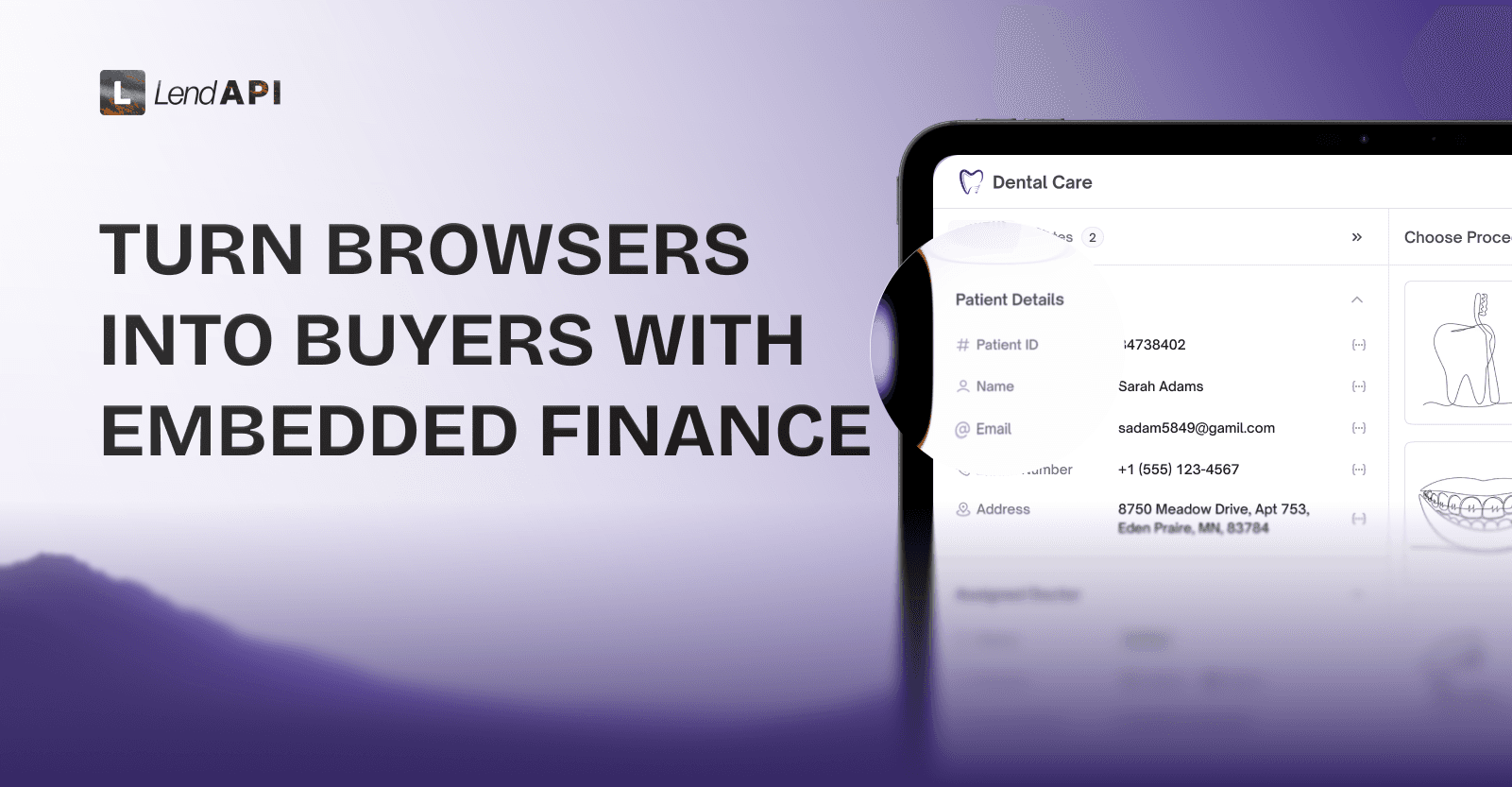
Brick and mortar retailers rapid growth
According to the National Retail Federation, close to 80% of consumer spending is happening in brick and mortar retail stores. Be it mass affluent consumer luxury goods to health care and pet care, America consumers are heading to their local businesses and malls in record numbers.
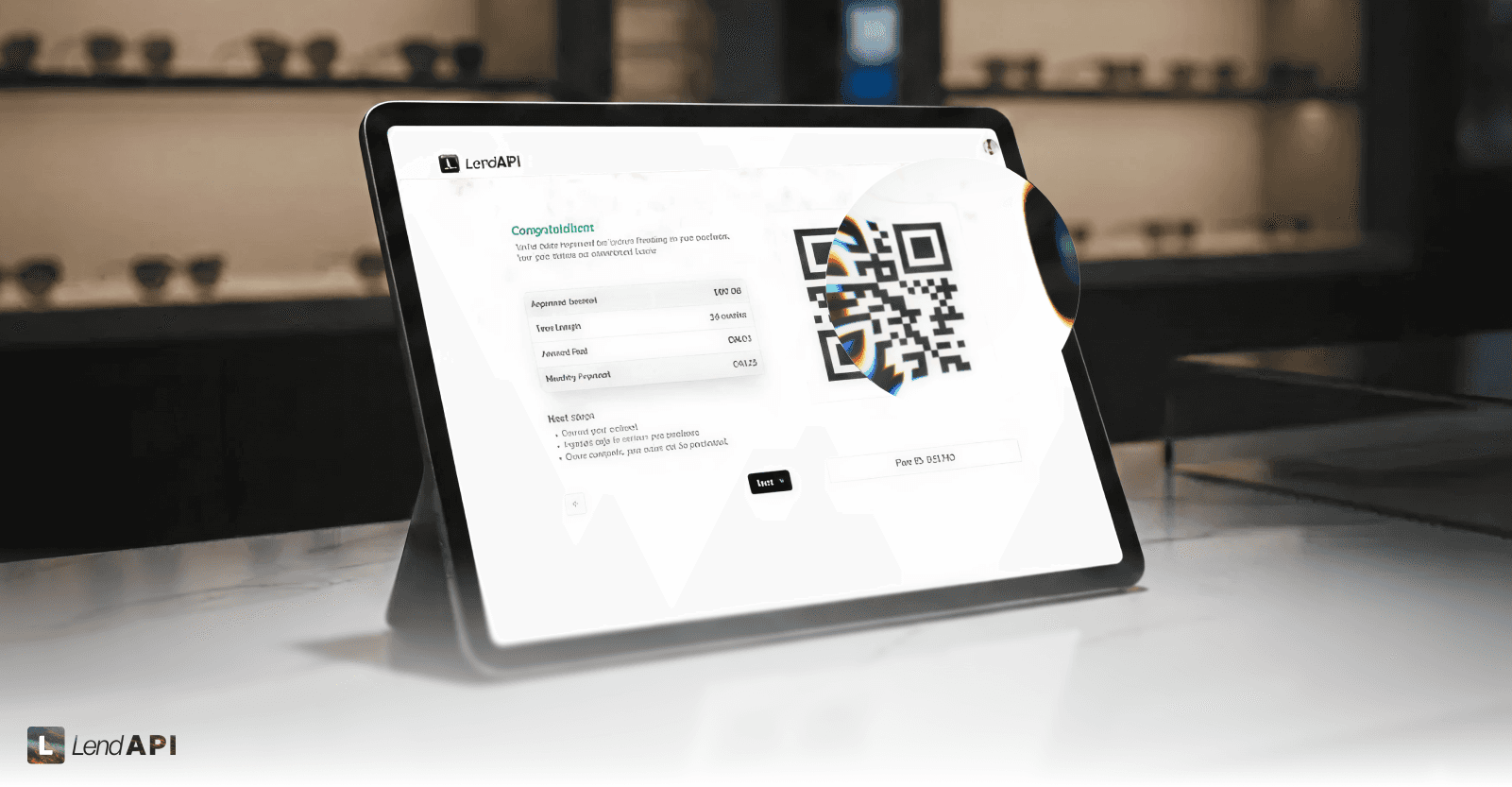
There are 30 to 40 million small businesses across America that drive most of the United State’s GDP (Gross Domestic Product). GDP measures total goods and services produced within a country. Consumer spending is increasing year over year and consumers demand new ways of pay and finance these goods and services.
Here are some quick facts from National Retail Federation
Core Retail Spending: The "Core Retail" number (excluding Auto Dealerships, Restaurants, and Gasoline Station spends) is at US$5.29 trillion.
Total Retail Spending: Total consumer spending in the retail section is over $5 trillion.
Spending Forecast: The NRF is forecasting a 2.7% to 3.7% increase in core retail spending in 2025.
Channel Distribution:
Close to 80% or over 81% of consumer spending is happening in traditional brick-and-mortar or in-store retail stores.
E-commerce represents about 19% of all total core retail spending.
Technological advancements in payments
From point of sale systems with physical devices to mobile or miniaturized mobile payment systems (think Apple Stores), consumers are on the receiving end of rapid innovation over the past decade.
From a consumer’s perspective, we have been using QR code, our phones and even our watches to pay for goods and services when we are interacting with payment systems in retail locations.
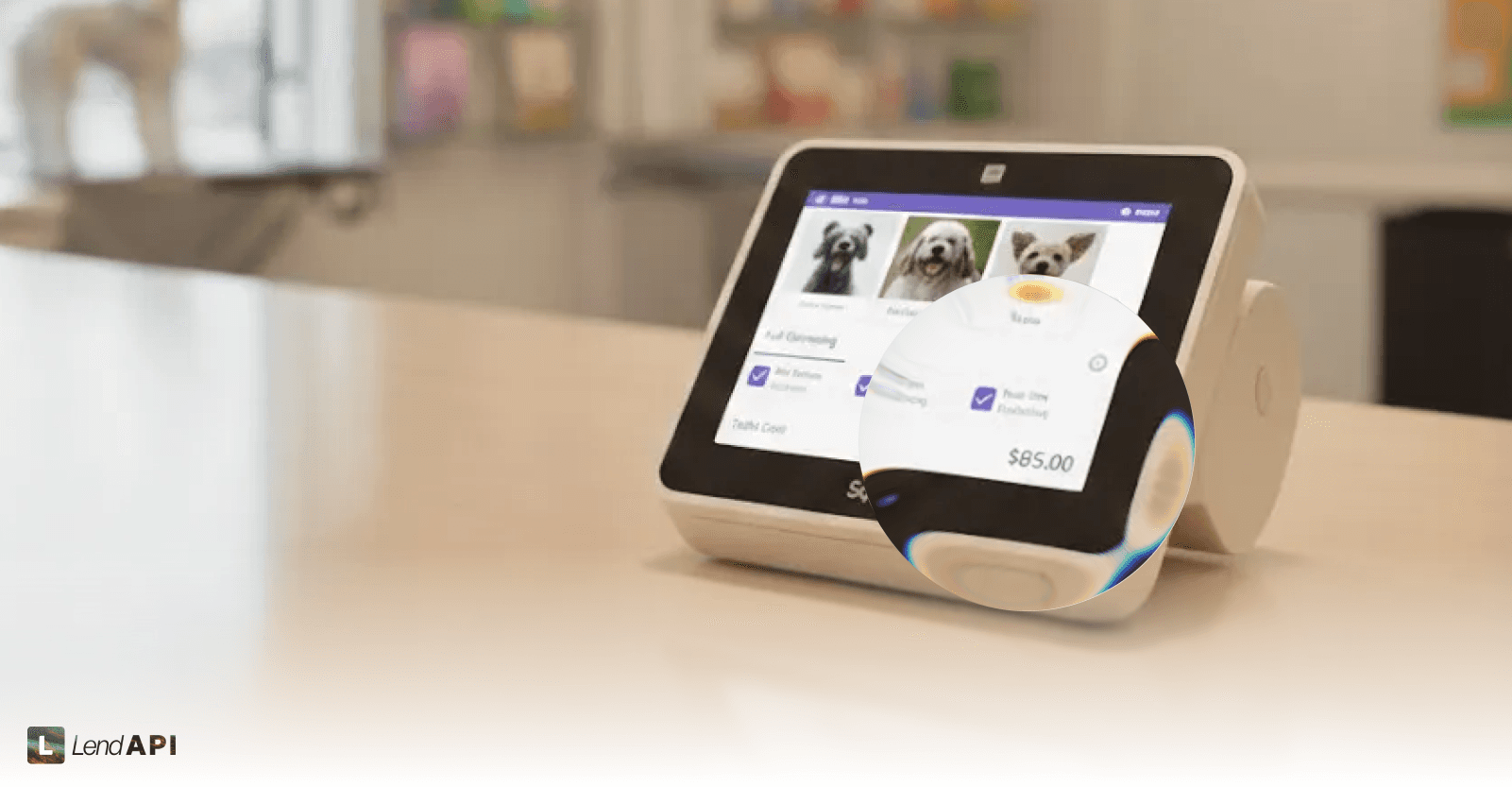
In a more professional setting such as a dentist and or veterinarian’s office, there might be office staff working with a Point of Sale financing system integrated into their workstation that handles scheduling and payments. In these situations, banks and lenders can interject themselves to provide financing options through the use of mobile devices. An financing application can be sent via text message and have the patient and pet parents complete the application. The results can be prompted back to the office manager and get the appointment schedule to deliver that treatment.
Embedded finance everywhere
In the past decade, we’ve seen third party point of sale financing firms glowing and prospering in various categories. Short term point of sale financing opportunities have evolved into BNPL or Buy Now Pay Later.
BNPL has met its regulatory and portfolio challenges. Some of the recently IPO’ed BNPL players have seen their stock price fall as much as 70% in the past 24 months. We’ve seen demand surge in the short term merchant financing space but lack of identity verification, fraud detection as well as traditional credit underwriting and income verification is lacking.
Bigger BNPL lenders have to quickly jettison their portfolios to third parties to stop their bleeding and refocus on underwriting and tightening up their credit boxes. They are starting to realize that different types of merchants online or offline have vastly different economic models.
Mass affluent consumer luxury goods might have a higher margin that’s willing to discount more with third party BNPL lenders versus furniture and mattress stores that may have razor thin margins but might be open to collaborate with lenders that offer longer retail installment contracts but tighter with their credit underwriting.

We also see that some of the retail outfits are moving away from third party lenders to first party lending. Instead of getting 60 cents on the dollar merchant discount rates with their lenders, they are willing to use their own technology to collect 30% downpayment and the remaining 70% of the payments are carved up into 6, 9 or 12 payments.
Movement from third party lending to first party lending
Moving to first party lending reduces cost for retailers and helps to retain most of all of their revenue and margin. They also have greater control over their underwriting criteria and flexible in the amount of downpayment they can collect as a downpayment to hedge risk
Retailers can leverage their own decisioning process and even price their product differently depending on their client’s credit risk if it’s applied uniformly based on credit and income level. In addition, retailers can integrate their loyalty and insurance products as part of the onboarding process.
Branding and experience is also important to many retailers. To have an out of body experience when it comes to financing erodes their brand and brand credibility. Having their own branded financing process builds more trust with their clients. Technology is now available for retailers to build their own financing without lifting a finger from application, decisioning, pricing to payment collections.
Many brands are also manufacturers themselves and data collection and analytics is important to help the entire vertically integrated entity to learn from customer behavior. When working with third party lenders, this type of data is rarely shared with the retailers and manufacturers which makes it difficult for retailers and manufacturers to adapt their product roadmap with respect to shopping and financing behavior.
As a first party lender, brands and their manufacturers partners have access to all of the information from customer application to repayment behavior. This data is crucial for manufacturers and their retail partners to develop products and price points that are more in tune with their customers' spending habits, affordability as well as latest trends. This data collected by first party systems will help everyone in the organization understand their product line up and customer spending behavior with greater detail than ever before.
About LendAPI
LendAPI is the core infrastructure for embedded finance, known as one of the fastest-growing embedded finance infrastructure companies in the world. Since its inception in 2024, the platform has provided market leadership in indirect financing across industries ranging from automotive and marine equipment to luxury consumer goods and services. Our technology enables a variety of indirect lending scenarios, delivering millions of financing opportunities for banks, credit unions, retailers, and fintechs. LendAPI provides a complete, private-labeled solution, from customer experience and administrative tools (including in-store co-pilots) to loan servicing, compliance, and licensing support, to launch in-house BNPL products quickly and efficiently.

Powering the Cooperative Movement: A Deep Dive into America's Top Four Mega Credit Unions
LendAPI Team
•
Perspective

Champions of the Cooperative Movement: The Top 40 Credit Unions Empowering American Communities
LendAPI Team
•
Perspective
![# Specialized Credit Origination, Compliance-First BaaS, Small Business Lending, and Community Banking Rails: A Deep Dive into Four Benchmark Sponsor Banks As Banking-as-a-Service (BaaS) and embedded finance transition into a regulatory-first era, fintech platforms, specialty lenders, and enterprise software platforms are fundamentally reassessing their bank partnership strategies. Simple middleware connectivity and rapid, unmonitored partner onboarding have been replaced by strict regulatory oversight, direct bank-to-fintech risk governance, and highly specialized balance sheet capabilities. Sponsor banks today must deliver high-throughput credit origination, precise risk monitoring frameworks, specialized industrial bank lending structures, and resilient deposit engines. Four landmark institutions—**Blue Ridge Bank, Celtic Bank, The Citizens Bank of Clovis, and Coastal Community Bank**—represent critical pillars across commercial lending, small business credit origination, and community-driven BaaS sponsorship. --- ## The Strategic Shift: Transitioning to Governance-First Bank Partnerships The era of lightly governed BaaS middleware is over. Modern sponsor banks operate directly as primary risk, compliance, and capital infrastructure providers: ``` +-----------------------------------------------------------------------------------+ | BENCHMARK SPONSOR BANK CAPABILITIES | +-----------------------------------------------------------------------------------+ | | | [Fintech Platforms / Specialty Lenders / SMB Platforms / Vertical SaaS] | | | | | v | | [Direct Bank Infrastructure & API Connectivity] | | | | | v | | [Regulated Bank Balance Sheet & Charter Frameworks] | | +-----------------------------------------------------------------------+ | | | - Programmatic Commercial & SMB Credit Origination (SBA 7(a), POS) | | | | - High-Oversight Deposit Accounts & FBO Sub-Ledgering | | | | - Industrial Bank Charter & Interest Rate Exportation Authority | | | | - Enhanced BSA/AML, CIP/KYC & Fair Lending Oversight Engines | | | +-----------------------------------------------------------------------+ | +-----------------------------------------------------------------------------------+ ``` ### 1. Nationwide Credit Origination & Industrial Charter Power Specialty lenders and point-of-sale (POS) finance platforms require chartered bank partners with national lending authority. Industrial banks and state-chartered institutions allow non-bank programs to export interest rates uniformly under federal law, facilitating nationwide credit programs for consumer and business borrowers. ### 2. Specialized Small Business & SBA Lending Sponsorship Small business platforms and B2B SaaS engines often partner with premier SBA lenders to power capital distribution. Leading sponsor banks provide loan origination, government-guaranteed lending workflows, and warehouse funding structures. ### 3. Rigorous Regulatory Governance & Direct Partner Risk Management Sponsor banks now build and enforce direct compliance frameworks covering Customer Identification Programs (CIP/KYC), Anti-Money Laundering (AML) monitoring, and third-party risk management (TPRM). Modern BaaS banks integrate oversight directly into transaction flows, ensuring every program satisfies stringent federal and state regulatory mandates. --- ## Deep-Dive: Four Benchmark Sponsor Institutions --- ### A. Blue Ridge Bank * **Website:** [mybrb.bank](https://www.mybrb.bank/?utm_source=gemini) * **Charter Type:** National Bank Charter (OCC, FDIC-Insured) * **Primary Focus:** Structured BaaS Deposit Accounts, Commercial Credit Sponsorship, High-Oversight Compliance Frameworks ``` +-----------------------------------------------------------------------------------+ | BLUE RIDGE BANK | +-----------------------------------------------------------------------------------+ | [Core Engine] --> Structured BaaS & Governance-First Deposit Engine | | [Key Capabilities]--> Commercial Credit, DDAs, FBO Accounts, Enhanced BSA/AML | | [Focus] --> Regulated Deposit Sponsorship & Commercial Banking Rails | +-----------------------------------------------------------------------------------+ ``` #### History & Legacy Founded in 1893 in Virginia, Blue Ridge Bank evolved from a traditional community bank into an early pioneer of Banking-as-a-Service. As a national bank supervised by the OCC, Blue Ridge Bank provides core banking capabilities to fintechs, business platforms, and financial software providers. #### Work in BaaS & Fintech Partnerships Blue Ridge Bank offers a structured, compliance-centric model for deposit gathering, card issuing, and commercial lending sponsorship. The bank emphasizes rigorous regulatory alignment, maintaining direct oversight across CIP/KYC verification, BSA/AML transaction monitoring, and Fair Lending standards to support sustainable, long-term fintech operations. #### Key Capabilities * **Structured BaaS Deposit Infrastructure:** Custom demand deposit account (DDA) creation, sub-account ledgering, and pass-through FDIC insurance configurations. * **Commercial Credit & Lending Sponsorship:** Sponsorship for business lines of credit, equipment financing, and commercial credit programs under a national charter. * **High-Oversight Compliance Engine:** Direct, embedded risk governance covering transaction monitoring, third-party risk management, and regulatory reporting. * **Multi-Rail Payment Services:** Core access to ACH, Same-Day ACH, domestic wires, and book transfers. --- ### B. Celtic Bank * **Website:** [celticbank.com](https://www.celticbank.com/?utm_source=gemini) * **Charter Type:** Utah State-Chartered Industrial Bank (FDIC-Insured) * **Primary Focus:** Strategic Small Business Lending, SBA 7(a) Loan Origination, Asset-Based Credit, Card Program Sponsorship ``` +-----------------------------------------------------------------------------------+ | CELTIC BANK | +-----------------------------------------------------------------------------------+ | [Core Engine] --> Industrial Bank Credit Origination & Capital Engine | | [Key Capabilities]--> SBA 7(a) Origination, Commercial Lines, Asset-Based Loans | | [Focus] --> High-Volume Small Business & Commercial Credit Sponsorship | +-----------------------------------------------------------------------------------+ ``` #### History & Legacy Established in 2001 in Salt Lake City, Utah, Celtic Bank is a top-tier nationwide small business lender. Consistently ranked among the top SBA 7(a) lenders in the United States, Celtic Bank leverages its industrial bank charter to power credit programs for fintech platforms, merchant processors, and business software platforms. #### Work in BaaS & Fintech Partnerships Celtic Bank specializes in **credit origination and capital sponsorship**. By partnering with tech-enabled lenders and vertical SaaS platforms, Celtic Bank originates small business loans, working capital lines, equipment financing, and commercial credit cards. Utilizing Utah's industrial bank charter framework, Celtic provides interest rate exportation authority and balance sheet support to scale credit offerings nationally. #### Key Capabilities * **Small Business Credit Origination:** Industry-leading origination capabilities for term loans, working capital, and specialized business financing. * **SBA Loan Program Sponsorship:** Expertise in structuring and originating government-guaranteed SBA 7(a) loans in partnership with digital platforms. * **Commercial Credit Card & BIN Sponsorship:** Principal network issuing sponsorship for business credit cards and corporate charge card programs. * **Industrial Bank Charter Power:** Federal interest rate exportation authority enabling uniform nationwide credit delivery. --- ### C. The Citizens Bank of Clovis * **Website:** [cbcnm.bank](https://www.cbcnm.bank/?utm_source=gemini) * **Charter Type:** New Mexico State-Chartered Bank (FDIC-Insured) * **Primary Focus:** Specialized Commercial Lending, Community-Driven Deposit Sponsorship, Tailored Financial Services ``` +-----------------------------------------------------------------------------------+ | THE CITIZENS BANK OF CLOVIS | +-----------------------------------------------------------------------------------+ | [Core Engine] --> Community-Focused Commercial & Deposit Sponsorship Engine | | [Key Capabilities]--> Customized DDAs, Commercial Lines, Local Credit Operations | | [Focus] --> Reliable, High-Touch Financial Partnerships | +-----------------------------------------------------------------------------------+ ``` #### History & Legacy Founded in New Mexico, The Citizens Bank of Clovis has delivered commercial, agricultural, and retail banking services for decades. Built on conservative balance sheet management and dedicated relationship banking, the bank provides focused banking capabilities to business partners and financial platforms. #### Work in BaaS & Fintech Partnerships The Citizens Bank of Clovis offers a high-touch, disciplined model for fintech and commercial partnerships. Rather than supporting speculative, ultra-high-volume programs, the bank focuses on tailored commercial lending sponsorship, custom deposit relationships, and specialized payments infrastructure backed by dedicated compliance oversight. #### Key Capabilities * **Custom Commercial Lending:** Sponsorship and funding support for agricultural loans, commercial credit lines, and local business expansion. * **Deposit Account Infrastructure:** Account architectures providing secure deposit management and standard clearing access. * **High-Touch Partner Management:** Dedicated, direct access to executive leadership and compliance officers for custom program designs. * **Core Money Movement:** Access to standard clearing rails including ACH, wire transfers, and localized check processing. --- ### D. Coastal Community Bank * **Website:** [coastalbank.com](https://www.coastalbank.com/?utm_source=gemini) * **Charter Type:** Washington State-Chartered Bank (FDIC-Insured) * **Primary Focus:** CCBX BaaS Division, Consumer DDA Programs, Card Program Sponsorship, Multi-Rail Payment Clearing ``` +-----------------------------------------------------------------------------------+ | COASTAL COMMUNITY BANK | +-----------------------------------------------------------------------------------+ | [Core Engine] --> CCBX Specialized BaaS & Embedded Banking Architecture | | [Key Capabilities]--> Neobank DDAs, Card Issuing, FBO Ledgers, Compliance Engine | | [Focus] --> Scalable Infrastructure for High-Growth Digital Brands | +-----------------------------------------------------------------------------------+ ``` #### History & Legacy Founded in 1997 in Everett, Washington, Coastal Community Bank has established itself as an impactful sponsor bank through its dedicated **CCBX (Coastal Community Bank X)** division. Coastal combines regional community banking roots with digital banking capabilities to power prominent neobanks and fintech platforms. #### Work in BaaS & Fintech Partnerships Coastal Community Bank’s CCBX division operates a specialized BaaS architecture. Designed to support digital bank accounts, debit card programs, and credit products, CCBX delivers modern APIs backed by hands-on risk management. Coastal emphasizes close regulatory alignment, partner monitoring, and strong compliance controls to safeguard partner operations. #### Key Capabilities * **CCBX BaaS Architecture:** Developer-ready infrastructure powering digital checking accounts, savings programs, and branded consumer apps. * **Card Issuing & Sponsorship:** Sponsorship for virtual and physical debit cards, consumer credit cards, and prepaid card programs. * **Multi-Tenant FBO Accounts:** Advanced "For Benefit Of" deposit structures supporting stored-value wallets, marketplace settlements, and ledgering. * **Integrated Risk & Compliance Governance:** Comprehensive partner oversight covering BSA/AML monitoring, CIP/KYC verification, and ongoing program audits. --- ## Institutional Comparison Matrix | Bank Name | Charter Type | Primary Focus | Key FinTech Use-Cases & Strategic Strengths | | --- | --- | --- | --- | | **Blue Ridge Bank** | National OCC Charter | Structured BaaS, DDAs, Commercial Credit | National bank charter framework with structured deposit accounts and embedded compliance controls. | | **Celtic Bank** | UT Industrial Bank | Small Business Credit, SBA 7(a), Card Sponsorship | Utah industrial bank charter; nation-leading SBA 7(a) lending, business credit cards, and working capital origination. | | **The Citizens Bank of Clovis** | NM State-Chartered | Commercial Lending, Community Deposit Sponsorship | Dedicated, high-touch commercial credit facilities, customized DDAs, and disciplined risk management. | | **Coastal Community Bank** | WA State-Chartered | CCBX BaaS Engine, Neobank DDAs, Card Programs | Specialized CCBX division; high-growth neobank deposit accounts, debit card issuing, and integrated risk governance. | --- ## Strategic Summary: Aligning Platform Needs with Charter Strengths When choosing a sponsor bank partner, aligning product requirements with bank charter authority and risk frameworks is critical: * **For Structured Deposit Infrastructure & National Charter Authority:** **Blue Ridge Bank** provides a national banking framework tailored for structured deposit accounts and commercial credit. * **For Small Business Credit Origination & SBA Lending Scale:** **Celtic Bank** offers industrial bank charter authority, nationwide SBA 7(a) origination, and business credit card sponsorship. * **For Focused Commercial Credit & High-Touch Relationships:** **The Citizens Bank of Clovis** delivers disciplined commercial credit facilities and direct, localized partner management. * **For Neobanks, Consumer DDAs, & High-Velocity Card Issuing:** **Coastal Community Bank (CCBX)** provides an established BaaS architecture built for consumer deposit accounts and debit card programs.](https://framerusercontent.com/images/PZUQMy4hhiLXGOcDjNuSBUtjjCM.png?width=1601&height=833)
Specialized Credit Origination, Compliance-First BaaS, Small Business Lending, and Community Banking Rails: A Deep Dive into Four Benchmark Sponsor Banks
LendAPI Team
•
Perspective